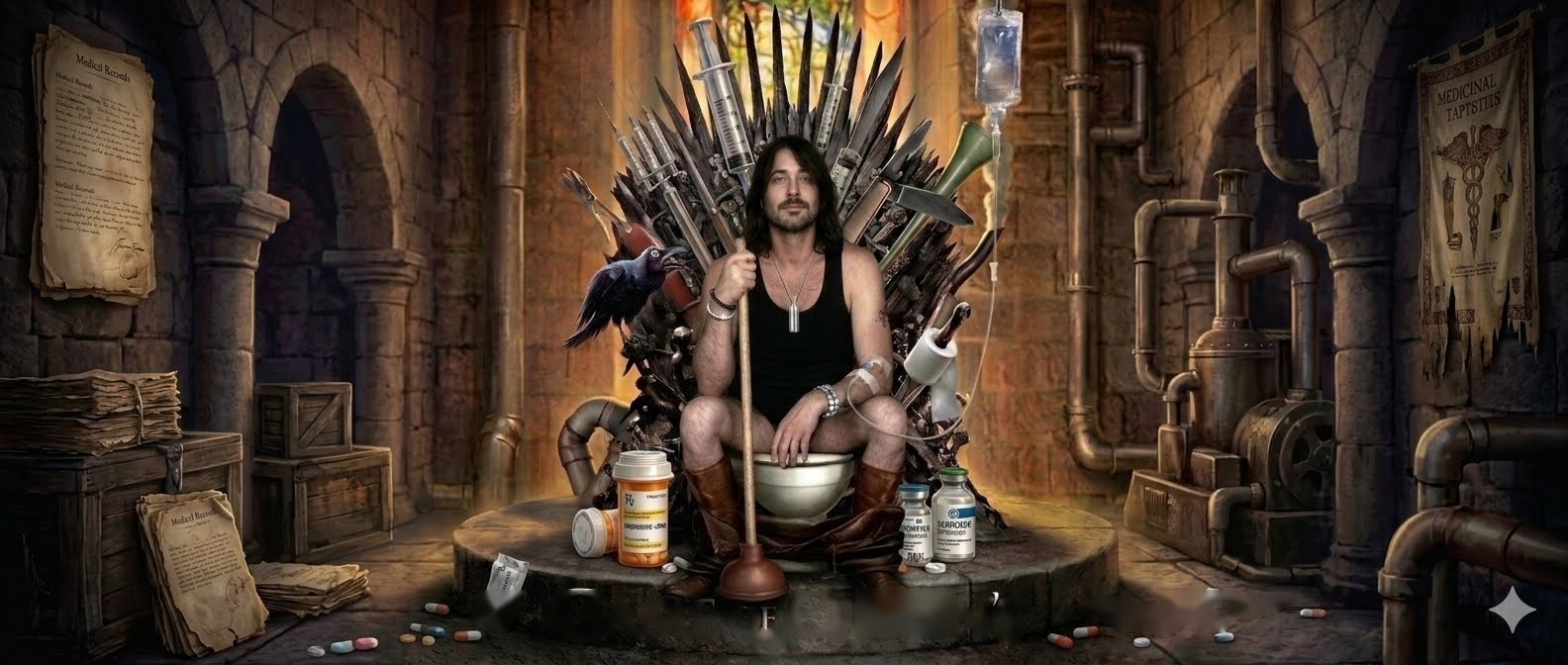

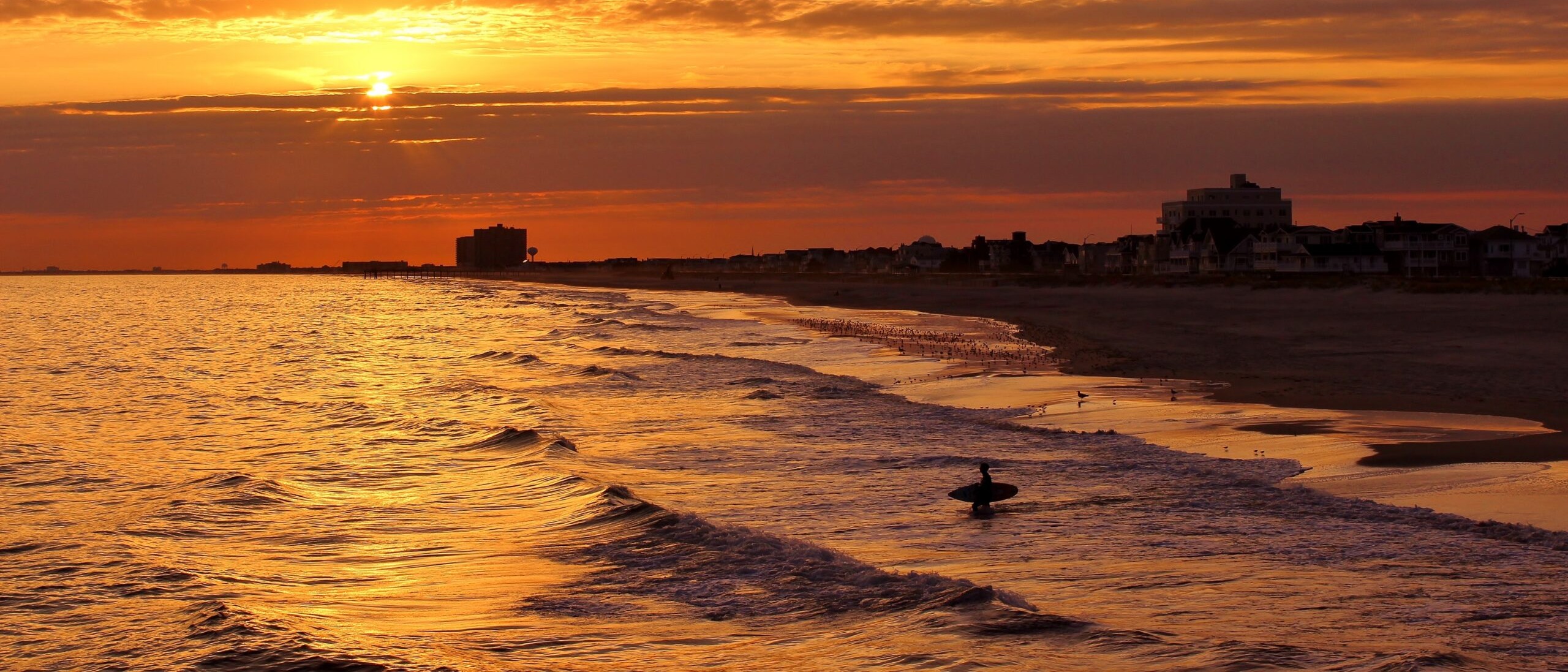
The Two Jakes: A Biography of Resilience
My story is not a single narrative, but a bridge between two distinct lives. On one side of the bridge stands a healthy, popular, and vibrant child whose world was defined by the simple joys of the Jersey shore, fast food, trick-or-treating, and the effortless energy of youth. On the other side stands the man I’ve become, forged in the fires of chronic illness—a traveler in a terrain of chronic pain, navigating a world that often feels like a beautiful room I am only permitted to view through a locked window.
The Shattering: The Life Sentence
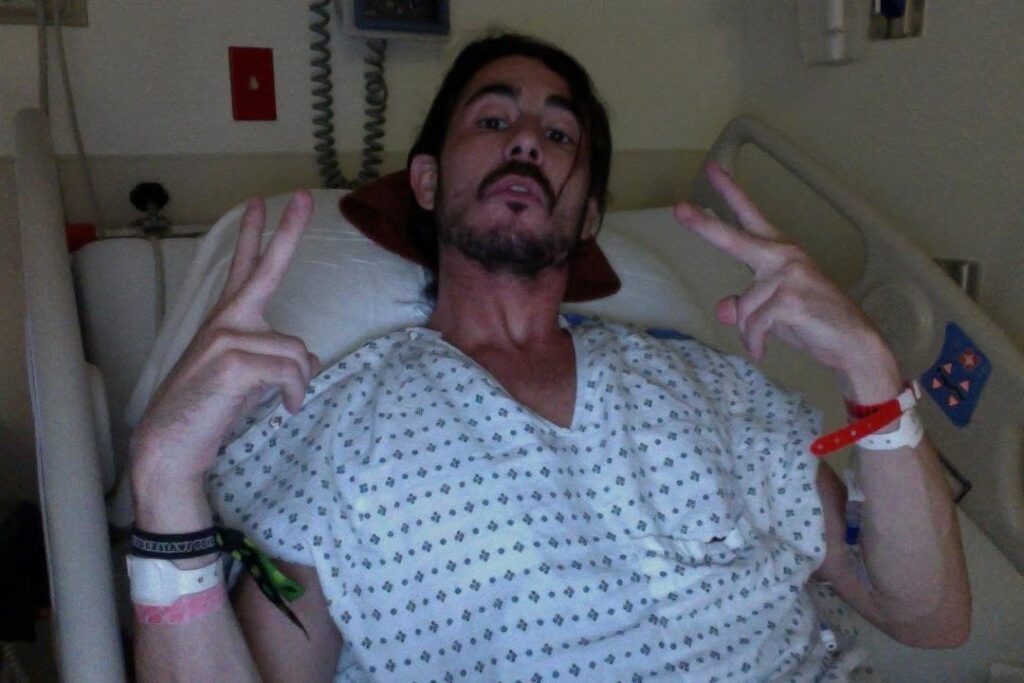
The transition occurred with devastating speed at the age of twelve. What should have been a decade of growth and self-discovery was instead marked by a violent disruption. I remember being poked and prodded, enduring colonoscopies and endoscopies, all while holding onto the hope that this was just a stomach virus. A bad dream that I would soon wake up from….But the universe had a different plan for me. The memory of hiding under the heavy hospital blanket, trying to make myself invisible, as the gastroenterologist handed down their diagnosis is forever etched into my conscience. Their voices were soft, yet their words carried the weight of the world. They explained to me I had Crohn’s disease—a chronic illness I would have to live with….forever. These were words I was not willing to confront yet alone could barely process. In that moment, I felt myself shatter into a million pieces. I cried uncontrollably as I lay in that bed, weak and unable to move, paralyzed by fear. I looked like a Holocaust survivor—a skeletal, ghostly shadow of the vibrant healthy child I had been just weeks before. I was held captive by my own biology, stuck in a prison with no escape. How could I accept “forever.”
The treatment for my survival became its own form of torment. Prescribed high doses of Prednisone, I experienced a radical personality shift. The medication induced mania, aggression, and a deep, dark depression that saw me hospitalized for suicidal ideation at the ripe age of twelve. I became anesthetized by a cocktail of psychiatric medications that further distanced me from the social butterfly I once was. I found myself losing friends as they did not recognize or understand the changes I was going through. Many of their parents did not want their child around someone who was so problematic.
This isolation was physical as much as it was psychological.In my mind every restaurant and gathering place became marked with a giant, red, blinking “X” through it, letting me know I could not go there. I recall the agonizing addiction to the very things that caused my symptoms to surface….. —the memory of being chased around the kitchen table at Halloween, desperately stuffing candy into my mouth as my parents pleaded with me to stop, worried I would end up back in the hospital. My relationship with my body became a war of attrition, an obsession born of deprivation. After one month long stay in the hospital before my first surgery I made a long list of every food I wanted to eat and the order in which I wanted to eat them, starting with my Mom Mom’s brisket. Thus began a very unhealthy self sabotaging relationship with food. I mean how could anyone expect a child to respond to so much restriction?
College provided a brief, yet cherished window of relative health and a taste of the independence I so desperately craved. I traveled to Australia to study at Bond University, a time that felt like a glimpse into a life untethered from my diagnosis. However, even on the other side of the world, the disease remained my silent passenger.
I reached a physical breaking point there that required an emergency infusion of Remicade just to remain functional. Yet, the moment the medicine took hold and the flare-up receded, I didn’t stay in bed. I headed straight for Snapper Rocks. Challenging those famous point breaks was a turning point for me; it was the first time I realized that while my body might be fragile, my spirit could still dominate the surf with the best of them.
After college, I faced the crushing weight of expectation as I attempted to enter the professional world. My family, naturally desiring my success, looked for me to build a career and achieve the independence that every man seeks at this stage in their life. I threw myself into real estate sales, using my talent for connection to excel. I was successful almost immediately and even sought after for recruitment by big names in the industry. I also spent time in the clothing industry. But my biology was a silent saboteur. The energy required to maintain the facade of a “normal” professional life was a pace I could not keep. I tried to claim my independence, only to have my health collapse like a house of cards. Each failure felt like a disappointment to those I loved—a recurring theme of falling short of expectations because my body simply did not provide the energy required to function. This struggle for independence and self sufficiency would follow me for many years, as I tried to find a stable footing in the traditional world.
The Saltwater Sanctuary: The Blank Canvas of a Wave
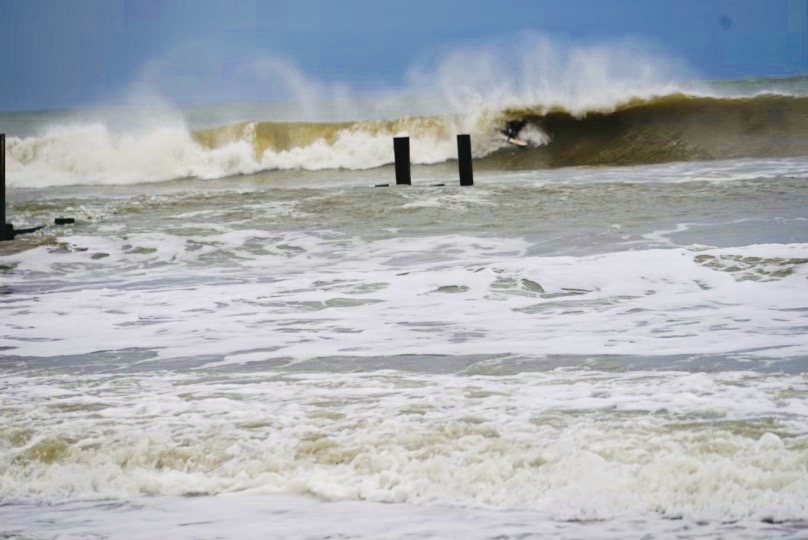
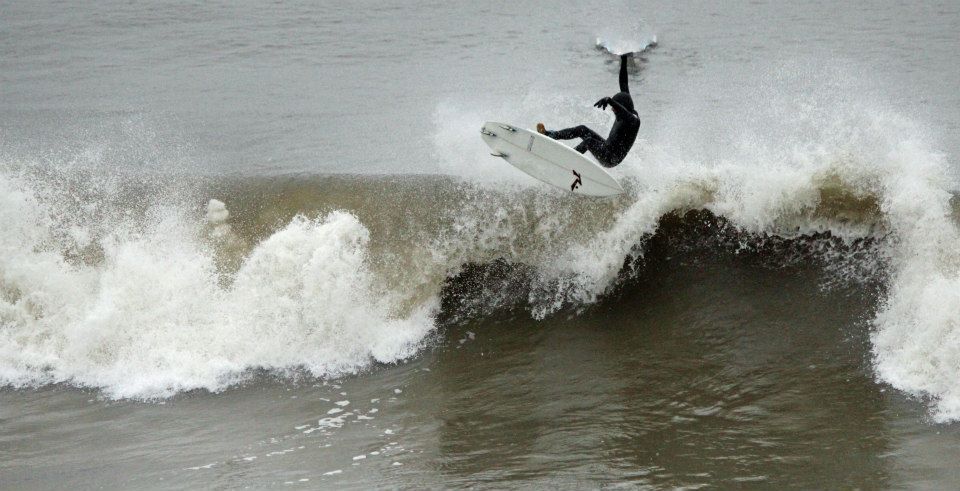
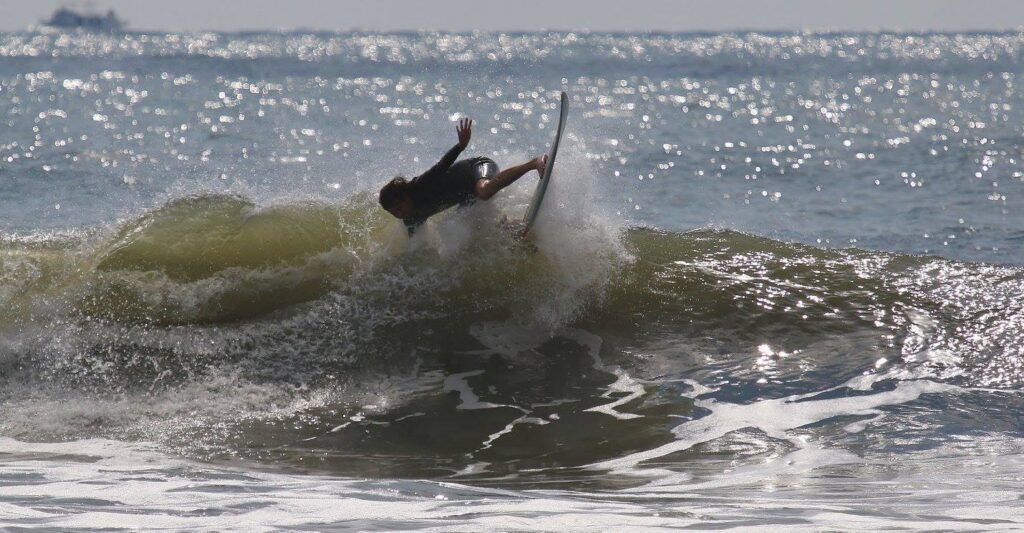
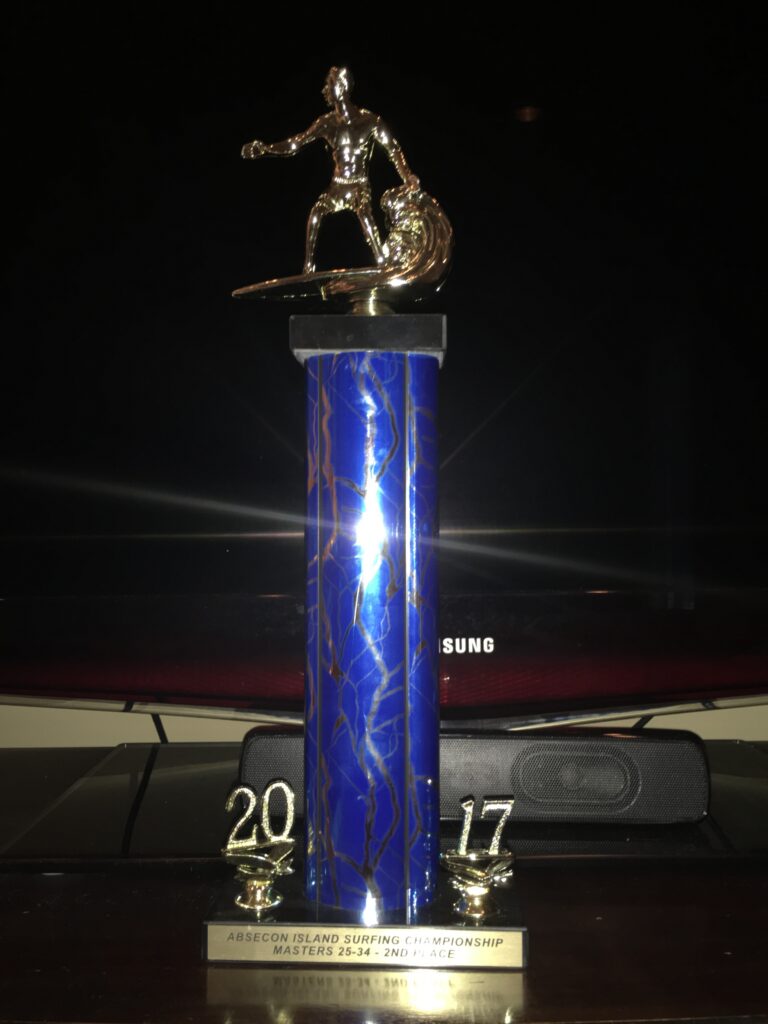
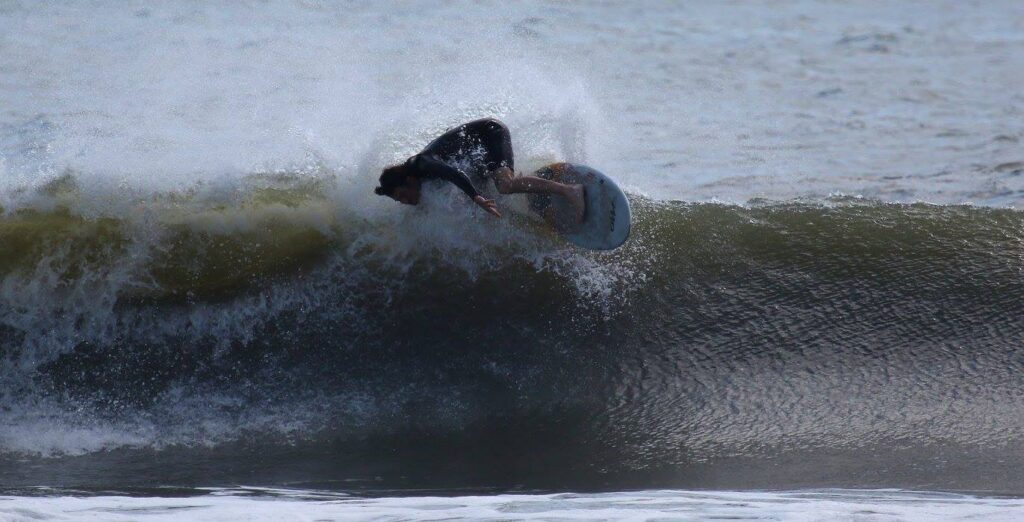
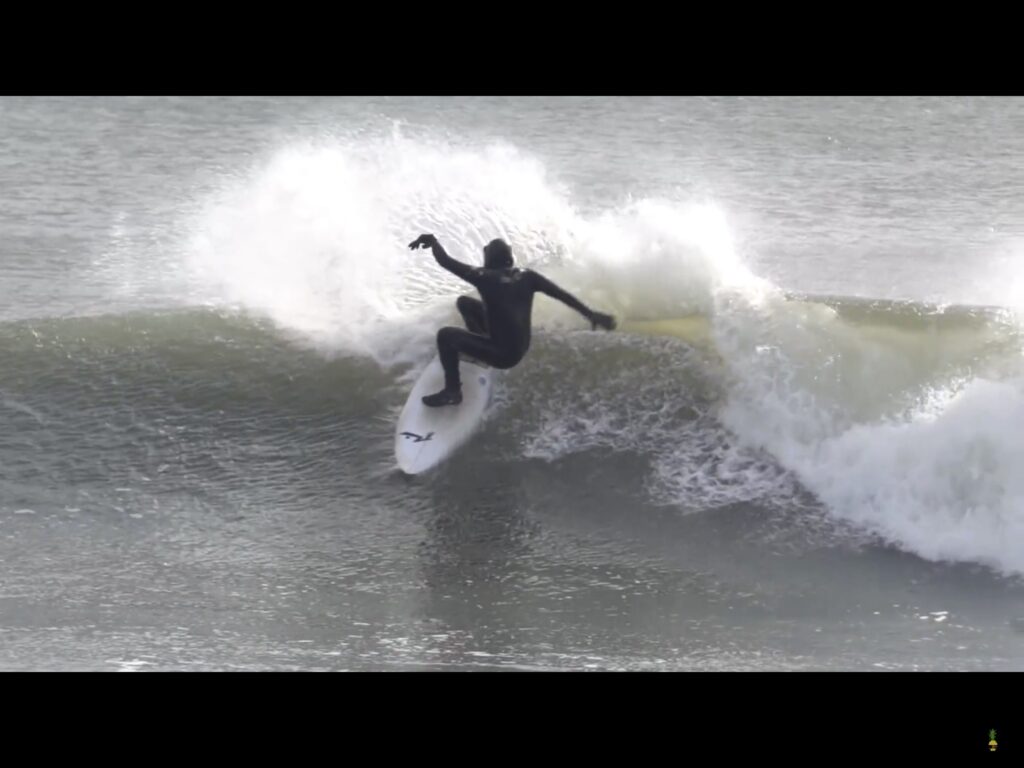
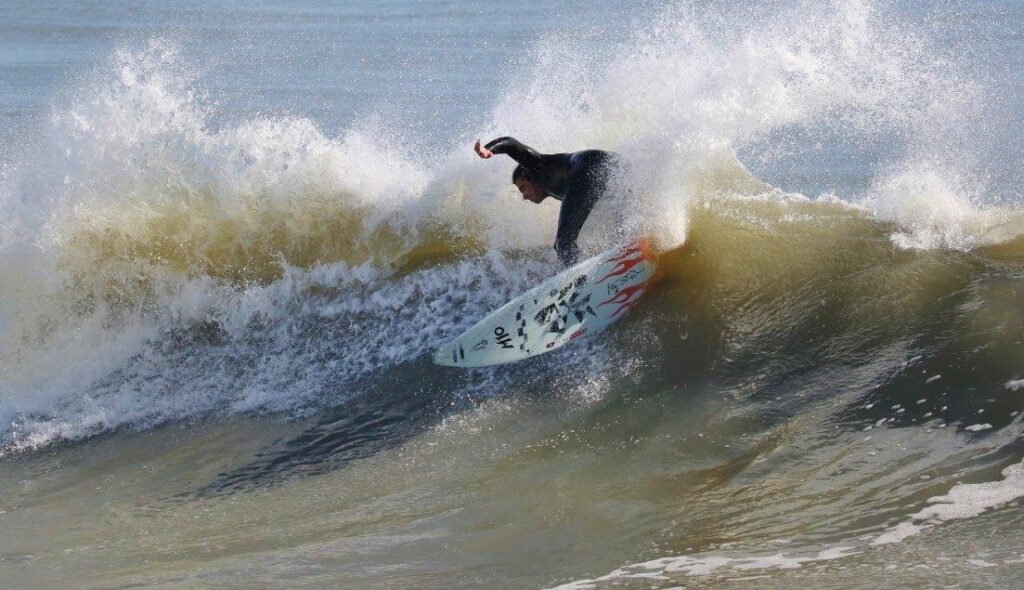
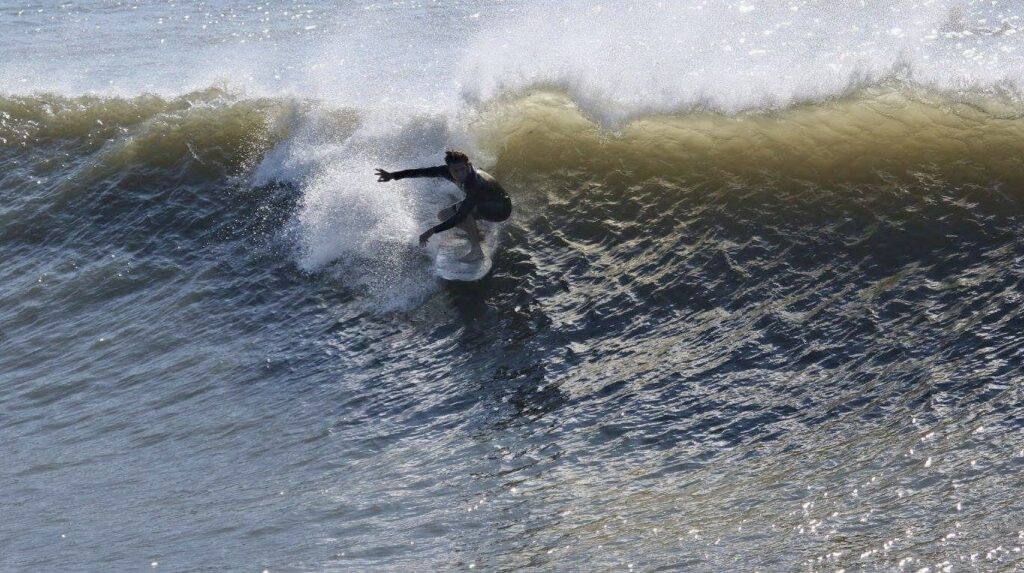
In the depth of my incessant suffering I found two portals of transcendence. The first was the ocean. Introduced to surfing by my cousins, the Atlantic became my place of worship. Influenced by the active meditations of Thich Nhat Hanh in Peace Is Every Step, I found that the rhythm of the waves allowed me to enter a state of total mindfulness where all my problems would melt away.
In the water, the “X-ed out” world vanished. I wasn’t a sickly individual to be pitied by others,”; I was an artist. Every wave presented itself as a blank canvas, an opportunity to transmute my emotions into raw individual expression. Here my limitations were irrelevant. On that canvas, I could draw lines of strength and grace that my terrestrial life denied me. I realized that peace is not a destination I will reach when I am finally “cured”; peace is the quality of the struggle itself, the ability to thrive within the struggle of the storm. The bond formed with my cousins became my bedrock, providing a passion I could turn to for the rest of my life. A gratitude that could never be repaid.
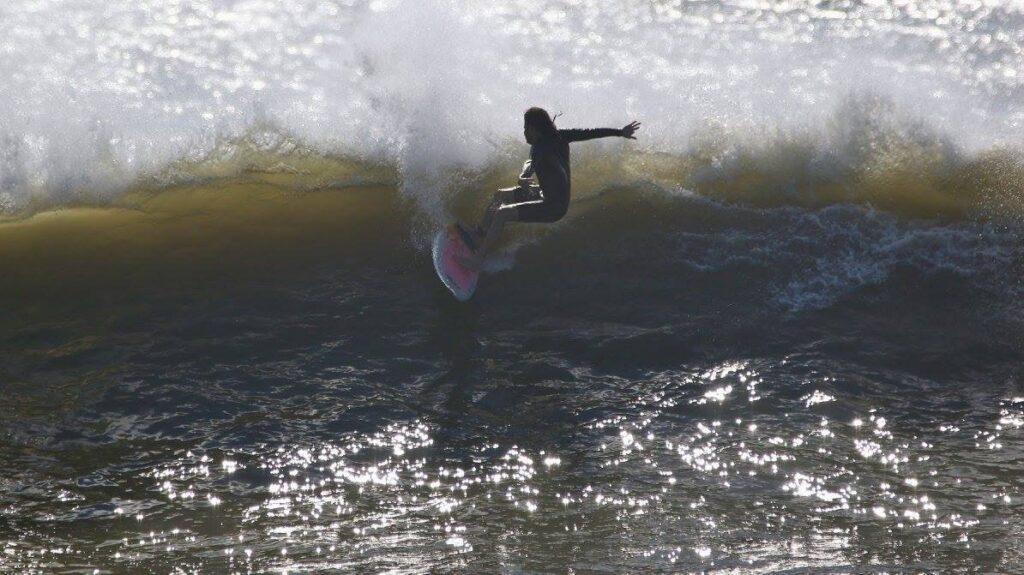
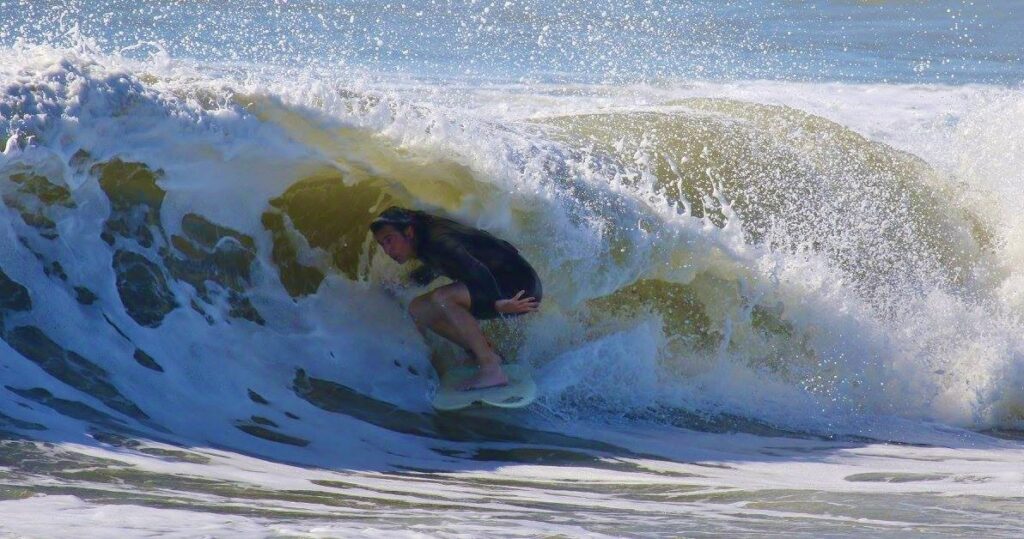
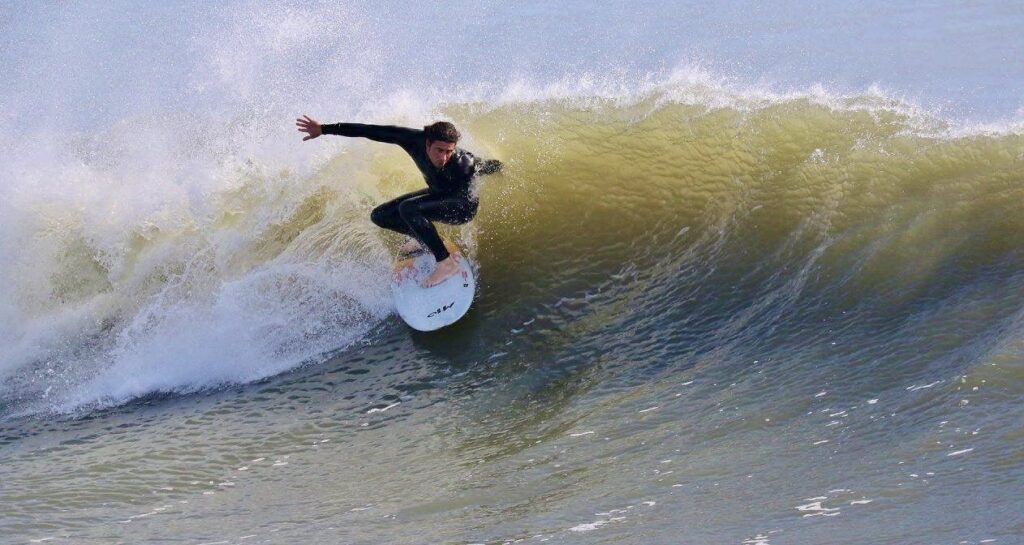
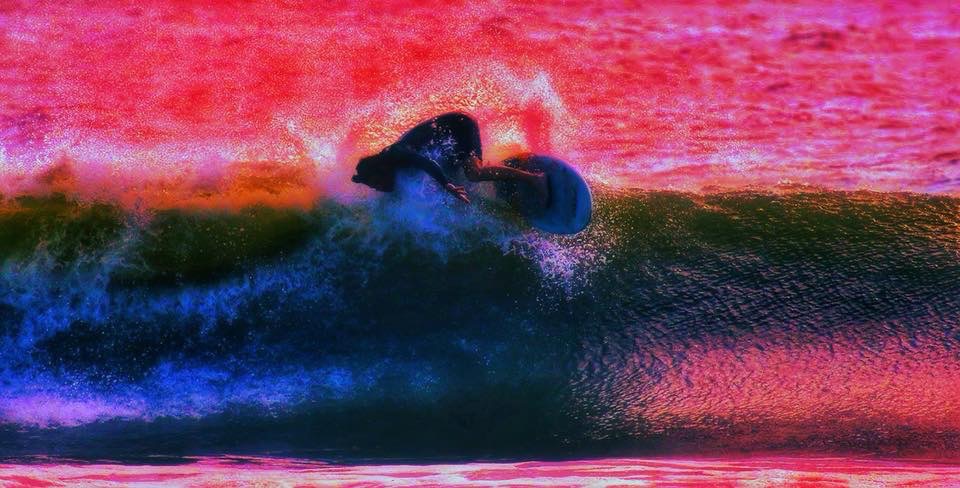
The second portal was sound. After my professional careers were cut short, I leaned heavily into my creative endeavors during my 20s and 30s. Using the inescapable reality that I had physical limitations and therefore inevitable downtime, i was able to harness this new found down time to acquire new skills like playing the piano by ear, and music production using synthesizers and software such as Ableton Live. Combined with my love for poetry, lyricsim, fashion, and all creative arts This would soon pave the way to finding myself In a band in Philadelphia called Histrionica with a sound all our own. On stage, the solitary depleted figure was replaced by a presence that was loud, confident, and successfully able to communicate with others through music. Beautiful musical relationships formed that would give birth to many creations that i was proud to be a part of. Music allowed me to take the raw, jagged pieces of my trauma and forge them into something resonant. Histrionica gave me an incredible outlet and allowed me to reclaim a sense of identity and success that was entirely my own. An ability to transcend the calamity within my life.



The Modern Philosopher
Today, I live on a metaphorical tightrope. After five major surgeries—including four small bowel resections and a rectal fistula abscess surgery—I have learned that my health depends on maintaining a very strict balance. Every choice—what I eat, how I move, how I manage my stress—is a high-stakes calculation. One wrong move can result in the most serious of outcomes. I have moved beyond the anesthetized state of my youth into a life of extreme discipline and deep philosophical contemplation.
My creativity is my transcendence; the ocean is my sanctuary; and my struggle is my philosophy. I no longer seek to hide my condition. Instead, I use my creativity as an outlet to transcend the trauma. I am a writer, a creator, and a surfer who refuses to accept defeat. While the challenges of Crohn’s disease are insurmountable, I have developed the resilience necessary to navigate them and continue to find new ways to thrive despite the hand I have been dealt. This is done not by ignoring the opposing forces of my life, but by navigating them with the same precision and courage I use to drop into a wave. I am still here, balancing on the wire, watching the tide come in.
I’m Jake. I’ve lived with Crohn’s for 30+ years and tried every biologic there is.
This is the site I wish existed when I was diagnosed at 12.